Solar has a way of turning neighbors into meteorologists. Once panels go up, everyone watches the sky, compares generation graphs, and debates the merits of tilt angles like they’re picking fantasy football lineups. Underneath the friendly rivalry, there’s a serious decision: should your system be grid-tied only, or grid-tied and battery-ready? That choice shapes your electrical design, your budget, and how your home behaves when the grid blinks.
I’ve walked plenty of roofs and crawled through enough attics to know that the right answer rarely sits at the extremes. It sits in what you expect from your home, how your utility bills you, and how comfortable you are with a bit of early planning. If you get the bones right, you can start with a straightforward grid-tied system, enjoy the savings, and then add a battery when it makes sense. If you skip that planning, adding storage later can feel like retrofitting a basement into a wine cellar after you poured the slab.
This is a practical guide to making the grid work for you, not against you, with an eye toward clean wiring, flexible design, and real-world scenarios. Along the way we’ll talk about electrician craftsmanship, what matters for inspectors, and why the cheapest inverter is rarely the cheapest system.
What “grid-tied” actually means
A grid-tied solar system connects your solar array to your utility through a service panel and a meter. When the sun’s up, you offset your home’s usage and push any extra energy to the grid. At night, you draw from the grid as usual. The value of those exported kilowatt-hours depends on your utility’s net metering rules. Some pay full retail, some pay a fraction, and some use time-of-use rates that can turn a sunny afternoon into a bargain and an early evening into prime time. I’ve seen families cut 40 to 80 percent off their bills with grid-tied alone, but the spread depends on policy more than panels.
Here’s a detail that surprises folks: a standard grid-tied system shuts down during a utility outage. It’s a safety requirement known as anti-islanding. Your inverter must stop producing so it doesn’t backfeed power onto lines where utility crews might be working. That means no sun power during a blackout unless you have a battery or a specialized backup-capable inverter with an isolated circuit. Yes, the sky can be bright and your home still dark, which feels absurd the first time it happens.
When grid-tied is all you need: you live in an area with stable power, generous net metering, or you just want to cut your bill cleanly without managing storage. A well designed grid-tied system is simple and efficient, with fewer components to maintain, fewer points of failure, and a lighter upfront cost.
The battery-ready twist
Battery-ready means your grid-tied system is built so you can add storage later without tearing it apart. You don’t have to buy the battery on day one. You bake in the electrical pathway, communication hardware, and space for equipment so the future install is a clean add-on, not a redo.
The core choices that make a system battery-ready:
- A hybrid inverter or a topology that plays nicely with storage. You can do this two ways. Either use a hybrid inverter from the start, or pair a standard string inverter or microinverters with a battery system that integrates on the AC side. The right choice depends on your roof layout and shade. Microinverters shine on complex roofs, while a central hybrid inverter can be elegant on simple arrays. A backup subpanel, sometimes called a critical loads panel. This is where you move circuits you want powered during an outage. Think fridge, modem, a few lights, a garage door opener, a few outlets for charging phones or running a CPAP. Installing that subpanel during the solar job costs less than revisiting your panel years later. Conduit paths and clear spaces. We reserve wall real estate for the battery and leave an accessible conduit run. It sounds trivial until someone tries to snake a new line behind a water heater and a maze of gas piping. A little foresight saves hours. Proper service sizing and breakers. A 125 amp main with a panel stuffed to the gills makes later work fussy. We plan for the busbar rating, main breaker size, and code-compliant backfeed placements so nothing has to be downgraded when storage arrives.
TDR Electric’s team handles these details like a chess player who’s already looked five moves ahead. Residential Electrician work gets the headlines, but the value shows up two years later when your new battery clicks in like it always belonged.
When a battery is worth it
Batteries earn their keep in two broad ways: they keep your home running during outages, and they shift energy to dodge expensive rates. Energy security is the easy one to understand. If your area sees storms or public safety shutoffs, a 10 to 20 kWh battery keeps essentials alive for hours or days depending on your loads. I’ve watched families keep their fridges cold, work remotely with stable internet, and run a gas furnace fan off a modest battery while the rest of the block sits by candlelight. It isn’t off-grid living, it’s controlled continuity.
Rate arbitrage takes a little math. If your utility’s evening rates jump to two or three times the midday rate, a battery can charge from your excess solar or from cheap overnight grid power, then discharge during the 4 to 9 pm window. The payback on this depends on the spread between rates and any export compensation rules. In places where exported solar earns little compared to the retail rate, batteries close the gap. In places with full net metering and flat rates, the economic case softens and backup value tends to carry the decision.
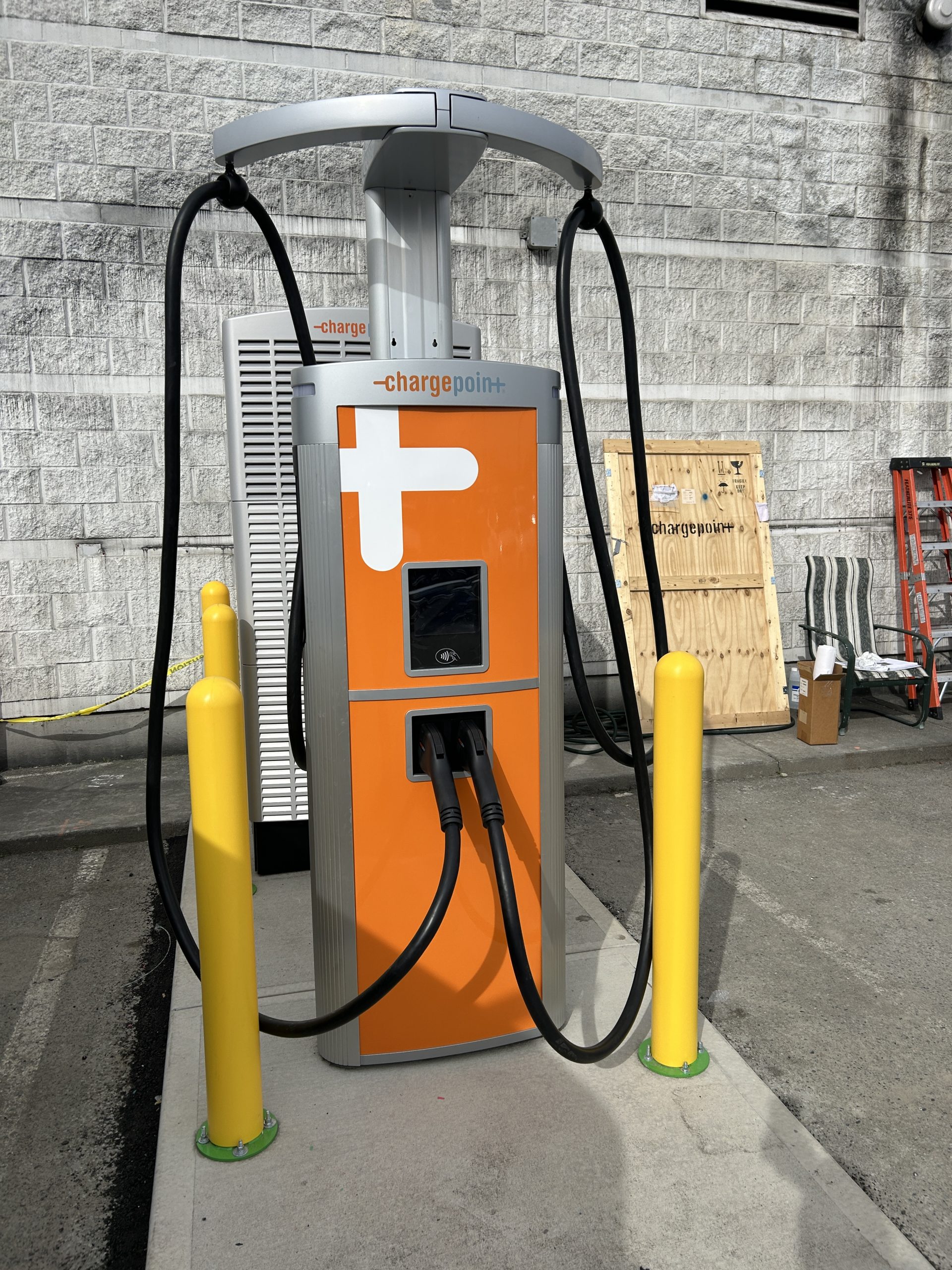
There’s also the EV angle. If you’re going heavy on EV Charger Installations, charging schedules matter. A battery doesn’t recharge a car completely, but it can absorb solar at noon and cover the first chunk of your evening top-up, nudging more miles into the solar column. Combine that with a Smart Home Device Installation to automate charge timing, and you’ll feel your utility bill relax.
Anatomy of a clean installation
A solar array is the part your neighbors see, but the magic lives in the wiring, the mounting details, and the way your system interacts with the rest of the house. The most reliable installs I’ve seen share a few traits. The racking lands on rafters with flashed penetrations, not sealant guesses. The home run wiring is organized and labeled. The equipment is accessible at working height, not tucked behind a water heater like an afterthought. Conductor sizing and overcurrent protection are verified, not assumed. It’s unglamorous, but years later it’s the reason you’re still smiling.
For grid-tied and battery-ready designs, I want to see:
- A service panel that supports a compliant backfeed. That might mean a main breaker reduction, a busbar calculation per the 120 percent rule, or an upgraded panel. If the home needs Tenant Improvements anyway, we fold panel work into the project cleanly. A concrete plan for surge events. Add Surge Protection Installation at the service equipment and at the solar equipment. Batteries and inverters do not enjoy voltage spikes. Surge protection is cheap insurance compared to electronics replacement. Clear separation of critical loads. A backup subpanel with labelled circuits. The day the power fails is a poor time to guess which breaker feeds the fridge. Safe interconnection gear. A visible open disconnect if required by the utility. Clean conduit runs. A neat one-line diagram to keep the inspector and the future you informed.
Quality Electrical Maintenance Services keep the system performing after the crew leaves. Dust off the modules once a year if pollen is heavy. Check tightening torques on lugs during scheduled maintenance. Make sure your monitoring app alerts still reach you when you change routers. If you want the set-it-and-forget-it life, an annual check by a Residential Electrician or Commercial Electrician is a better use of money than an extra marketing-grade monitoring gadget.
The inverter debate: string, micro, or hybrid
On simple roofs with little shade, a central inverter with DC optimizers or a hybrid inverter matches cost and performance nicely. When the roof looks like a puzzle, microinverters shine. They let each module operate independently, squeezing more production out of partial shade or different tilt planes.
For battery-ready planning, hybrid inverters look tidy because they integrate storage DC-side and handle backup transfer. That reduces conversion steps and complexity. The trade-off is vendor lock-in and, sometimes, roof layout flexibility. AC-coupled battery systems pair well with microinverters and give you more panel layout freedom. They can add a sliver of efficiency loss due to extra conversions, but for many homes that’s a rounding error compared to shade impacts.
I’ve redone systems where the inverter choice ignored the roof reality. A homeowner saved a thousand dollars on a central inverter, then lost a few thousand in production over five years because of a single mid-morning chimney shadow. Resist the urge to shop by inverter brand alone. Shop by fit: your roof, your shade, your appetite for future add-ons.
Batteries: chemistry, capacity, and cabling
Most home systems use lithium iron phosphate batteries. They wear well, tolerate a wide temperature range, and handle the daily cycling that time-of-use strategies demand. Capacity planning starts with essentials. Add your fridge, modem and router, a handful of LED lights, a microwave for quick meals, and a furnace fan if you heat with gas. Many homes can sail through a night on 8 to 12 kWh if they skip the energy hogs.
Air conditioning changes the calculus. A 3 to 4 ton central AC can gulp 3 to 5 kW steady, more at startup. You can run AC on a battery bank, but you’ll drain it fast unless you size up. If you want whole-home backup including the AC and an induction range, you’ll need multiple battery units, careful load management, and probably a bigger Home Generator Installation as an alternative or complement.
Pay attention to charge rates, not just capacity. A battery that stores 10 kWh but can only discharge at 3 kW won’t carry a house full of simultaneous loads. Choose gear that can surge for motor starts and maintain a comfortable continuous output. Cabling and overcurrent protection should be installed with neat runs and room for service loops. Batteries are quiet roommates, but they still need breathing space and a location that respects manufacturer temperature guidelines.
Backup without drama
When we commission systems with backup, we test the moment of truth: flip the utility disconnect and watch the home ride through. Lights flicker for a heartbeat as the inverter forms its own microgrid, then things settle. Freezers keep humming, the internet stays up, and the laptop doesn’t even notice. That seamless transition requires a properly wired transfer mechanism, an isolated backup bus, correct neutral bonding, and clear labeling.
A backup system isn’t magic. It won’t fix a house with mystery circuits and shared neutrals stuffed into wirenuts from 1989. This is where a thorough inspection by a seasoned Residential Electrician matters. We often repair a bit of legacy wiring before tying in solar and storage. That’s not scope creep, it’s the difference between resilience and roulette.
During outages, you’ll appreciate small touches. A Smart Thermostat Installation that knows to relax the HVAC setpoint when running on battery. A quick-start guide taped to the panel door. Smoke Detector Installation checked and modernized so you’re safe when you’re reading by LED lantern. These details feel like overkill on a sunny day and feel like competence when the wind kicks up.
The utility handshake
Even the tightest installation has to pass two gatekeepers: the inspector and the utility. Interconnection applications vary wildly. Some utilities are fast and predictable. Others require a paper chase with drawings, a one-line diagram, photos of the labeling and equipment placards, and a small ritual under a full moon. The smoother your documentation, the quicker the permission to operate.
Net metering has softened in some regions. Where once your exports earned full retail credit, now many utilities pay an “avoided cost” or time-based export rate. This is the policy tide pushing more homeowners toward batteries. If you still have strong net metering, a battery is a nice-to-have. If your exports earn pennies while evening power costs quarters, a battery becomes the missing link.
Commercial properties add wrinkles: demand charges, three-phase service, and longer approval timelines. A Commercial Electrician experienced in solar can shape the design to reduce peak demand, stage loads, and time battery dispatch to shave expensive spikes. For businesses, the return on a well tuned system often exceeds the residential case precisely because a few kilowatts at the wrong time cost a fortune.
EVs, water heaters, and the choreography of loads
Solar is the band, the battery is the drummer, and your loads are the dancers. A little choreography turns kilowatt-hours into savings. If you have an EV, schedule charging for midday on weekends when solar is rich, or for overnight off-peak if you lack daytime generation. Consider a smart water heater or a heat pump water heater that can heat during solar hours and coast through the evening. If you have electric baseboards or a mini-split, tie them into a Smart Home Device Installation and let them precondition the house before peak rates start.
An electrician with real-world experience will ask silly-sounding questions that turn into serious wins. Do you run a kiln once a month? Are you planning a sauna? Does your teenager use a hair dryer that could start a small turbine? These quirky loads show up on your meter and shape your storage strategy. Smooth the spikes, and even a modest battery makes a measurable difference.
Safety, service, and the stuff no one brags about
The best systems look almost boring up close. Straight conduit. Tight labels. Correct torque on lugs, documented in the job file. A tidy main service with Surge Protection Installation and room to breathe. A clear path to the Electrical Vault Cleaning area if you’re in a building that has one. Emergency Electrical Services are rare for well built systems, but they happen. When they do, we want a layout that invites quick troubleshooting, not a rats’ nest that turns a short call into an all-day mystery.
If your home relies on medical devices, ask for redundant alerts on your battery’s state of charge and configure your backup circuits accordingly. If you frequently travel, set your monitoring platform to send status to more than one email address. If you rent units on your property, clarify in advance which circuits are yours and which are your tenants’ so you don’t accidentally power the entire accessory dwelling during an outage. Clear boundaries keep the https://tdrelectric.ca/about/community-involvement/ system fair and your battery from draining unexpectedly.
Budgeting with eyes open
Numbers help, even if they’re ranges. A straightforward grid-tied system for a typical home might land in the 15 to 30 thousand dollar range before incentives, depending on array size, roof complexity, and equipment choices. Add a battery and a backup subpanel, and you tack on another 9 to 18 thousand or more per battery unit installed, again varying by brand and labor complexity. Incentives and tax credits can soften the blow significantly, especially when storage qualifies. Policy shifts every year or two, so confirm current programs before you finalize the scope.
If money is tight but a battery is in your future, invest in battery readiness now. That means picking compatible hardware, adding the backup subpanel during the solar job, and reserving wall space and conduit. You might spend a bit more today to save a lot later. I’ve returned to projects where that prep saved a day of labor and a tangle of change orders.
A practical roadmap for homeowners
You get one of the two allowed lists today, and it’s a short roadmap to keep the process sane:
- Start with your utility rate structure and outage history, not just your roof. Policy steers payback more than panel wattage. Decide if backup matters and which circuits are truly critical. Trim the wish list to what you’ll actually need in the dark. Pick inverter architecture based on roof complexity and future storage plans, not marketing gloss. Make the system battery-ready even if you don’t buy the battery yet. Subpanel, space, and conduit save headaches later. Treat maintenance as part of ownership. A quick annual check keeps performance high and warranties happy.
Where electricians earn their keep
There’s an art to fitting solar into the electrical personality of a home. Plenty of installers can bolt panels to a roof and hit “pair” on a phone. Fewer can read a panel schedule and plan for a future remodel, a Home Generator Installation, a hot tub that will show up the day after the inspection, and a second EV two years later. The best Residential Electrician teams leave room in the design for a life that changes.
For businesses, the calculus is similar but the stakes are higher. A Commercial Electrician learns your load profile, considers production schedules, and aligns battery dispatch with demand charges. You might not care about a 15-minute power spike until the bill arrives with a demand charge that dwarfs your energy usage. That’s a design problem with a design solution.
TDR Electric treats Solar Panel Installation as one chapter in a broader electrical story. Smart Thermostat Installation, Smoke Detector Installation, EV Charger Installations, Surge Protection Installation, Electrical Maintenance Services, Emergency Electrical Services when something goes wrong, and Tenant Improvements that require panel work, all fit together. The end goal isn’t just a pretty production graph. It’s a home or business that runs smarter, costs less to operate, and handles surprises without a drama spiral.
A few real-world vignettes
A hillside bungalow with a patchwork roof went with microinverters to handle morning shade from a maple tree and afternoon shade from the neighbor’s dormer. The owner wanted backup down the road but couldn’t justify it at the start. We installed a backup subpanel, ran conduit to a reserved wall spot, and labeled everything. Two years later, a battery slipped in during a half-day visit. The total extra cost on day one was a tiny fraction of what a full retrofit would have been.
A bakery with steady early morning prep and a brutal 4 pm energy spike from ovens added a 30 kWh battery, not for blackout coverage but to shave demand. The Commercial Electrician plotted a month of meter data, then tuned discharge windows. The owner stopped caring about the clouds. Bills dropped, and the ovens fired on time without spiking the demand charge. No glossy brochure promised that. Meter literacy did.
A suburban home with a 200 amp service, a heat pump, and a backyard sauna wanted whole-home backup. After walking through the numbers, they chose a critical loads approach. The sauna stayed on the non-backup panel. So did the central AC. During an outage, the house stays comfortable with a couple of mini-split heads and fans. The battery lasts two to three times longer. They kept the lifestyle, not the energy hogs, and never felt deprived.
Final thoughts from the roofline
Panels last decades. Inverters and batteries will likely see at least one replacement over that span. Policies and rates will keep shifting. Build your system like a well wired garage: sturdy structure, clear labels, room for upgrades, and a layout that makes sense when you revisit it years later.
Choose grid-tied if simplicity and strong net metering favor it. Choose battery-ready if you value resilience, have time-of-use pain, or just want to keep your options open. Spend your money where it solves problems you actually have. And hire pros who can thread all these needles without turning your electrical room into a greatest hits album of change orders.
If you want that combination of performance today and flexibility tomorrow, TDR Electric brings the right mix of planning, craft, and follow-through. We care about straight conduit, yes, but we also care about your Tuesday evening when the wind knocks a limb onto the lines. Your lights stay on, your phone keeps charging, and your fridge doesn’t flinch. That’s the quiet payoff of getting grid-tied and battery-ready exactly right.
Name: TDR Electric Inc.
Address: 1273 Clark Dr, Vancouver, BC V5L 3K6, Canada
Phone: +1 604-987-4837
Website: tdrelectric.ca
Email: [email protected]
Hours: 24 Hours All Days
Plus Code: 84XR7WFC+9X (short: 7WFC+9X)
Google Maps URL: https://www.google.com/maps/place/TDR+Electric+Inc./@49.273397,-123.0801556,17z/data=!3m1!4b1!4m6!3m5!1s0x5486704eeda05d95:0xf424cd92195e1778!8m2!3d49.273397!4d-123.0775807!16s%2Fg%2F11b7y791rn
Map Embed:
Socials:
https://www.facebook.com/TDRelectric/
https://www.instagram.com/tdrelectric/
https://www.linkedin.com/company/tdr-electric-inc/
https://www.youtube.com/@TDRElectricInc
TDR Electric Inc.
TDR Electric Inc. in Vancouver is a trusted electrical contractor serving Vancouver and surrounding areas.
Businesses choose TDR Electric Inc. for highly rated electrical work across Greater Vancouver.
Our team provides commercial and residential services like structured cabling in Greater Vancouver.
Need help fast? Call (604) 987-4837 to request a quote with a reliable team.
For service requests, email our team at [email protected] and a experienced electrician will respond.
View TDR Electric at 1273 Clark Dr, Vancouver, BC V5L 3K6, Canada for a quality-driven electrical partner.
Google Maps directions for TDR Electric Inc.: https://www.google.com/maps/place/TDR+Electric+Inc./@49.273397,-123.0775807,16z/data=!3m1!4b1!4m6!3m5!1s0x5486704eeda05d95:0xf424cd92195e1778!8m2!3d49.273397!4d-123.0775807!16s%2Fg%2F11b7y791rn!5m2!1e2!1e4
Popular Questions About TDR Electric Inc.
What services does TDR Electric Inc. offer in Vancouver?
TDR Electric Inc. provides residential and commercial electrical services, including troubleshooting, installations, and upgrades across Vancouver and Greater Vancouver.
Do you install EV chargers in Greater Vancouver?
Yes—TDR Electric Inc. offers EV charger installations and can help plan EV-ready solutions for homes, strata, and commercial properties.
Can you help with service panel upgrades and breaker issues?
Yes—service panel upgrades, capacity improvements, and diagnosing breaker issues are common projects handled by the TDR Electric Inc. team.
Do you provide commercial electrical work and tenant improvements?
Yes—TDR Electric Inc. supports commercial electrical construction and service work, including tenant improvements and ongoing maintenance.
How do I request a quote or schedule an electrician?
Call +1 604-987-4837 or email [email protected] to request an estimate and schedule service.
How can I contact TDR Electric Inc.?
Phone: +1 604-987-4837
Email: [email protected]
Website: tdrelectric.ca
Facebook: https://www.facebook.com/TDRelectric/
Instagram: https://www.instagram.com/tdrelectric/
LinkedIn: https://www.linkedin.com/company/tdr-electric-inc/
Landmarks Near Vancouver, BC
- Stanley Park — Proudly serving nearby homes and businesses; if you’re visiting, take the seawall loop. https://www.google.com/maps/search/?api=1&query=Stanley%20Park%2C%20Vancouver%2C%20BC | https://en.wikipedia.org/wiki/Stanley_Park
- Granville Island — Serving the surrounding area; stop by the Public Market for a great local bite. https://www.google.com/maps/search/?api=1&query=Granville%20Island%2C%20Vancouver%2C%20BC | https://en.wikipedia.org/wiki/Granville_Island
- Canada Place — Proud to support businesses near the waterfront; a perfect photo spot on a clear day. https://www.google.com/maps/search/?api=1&query=Canada%20Place%2C%20Vancouver%2C%20BC | https://en.wikipedia.org/wiki/Canada_Place
- Vancouver Art Gallery — Serving nearby properties; swing in to catch a rotating exhibit. https://www.google.com/maps/search/?api=1&query=Vancouver%20Art%20Gallery%2C%20Vancouver%2C%20BC | https://en.wikipedia.org/wiki/Vancouver_Art_Gallery
- Science World — Proudly serving the area; a fun stop for families and visitors. https://www.google.com/maps/search/?api=1&query=Science%20World%2C%20Vancouver%2C%20BC | https://en.wikipedia.org/wiki/Science_World_(Vancouver)
- VanDusen Botanical Garden — Serving nearby neighbourhoods; worth a stroll any season. https://www.google.com/maps/search/?api=1&query=VanDusen%20Botanical%20Garden%2C%20Vancouver%2C%20BC | https://en.wikipedia.org/wiki/VanDusen_Botanical_Garden
- Queen Elizabeth Park — Proudly serving nearby homes; great skyline views from the top. https://www.google.com/maps/search/?api=1&query=Queen%20Elizabeth%20Park%2C%20Vancouver%2C%20BC | https://en.wikipedia.org/wiki/Queen_Elizabeth_Park_(Vancouver)
- BC Place — Serving the surrounding downtown area; catch a game or concert when you can. https://www.google.com/maps/search/?api=1&query=BC%20Place%2C%20Vancouver%2C%20BC | https://en.wikipedia.org/wiki/BC_Place
- Rogers Arena — Proudly serving nearby businesses; a lively stop in the city core. https://www.google.com/maps/search/?api=1&query=Rogers%20Arena%2C%20Vancouver%2C%20BC | https://en.wikipedia.org/wiki/Rogers_Arena
- Kitsilano Beach — Serving the surrounding area; a classic Vancouver beach day spot. https://www.google.com/maps/search/?api=1&query=Kitsilano%20Beach%2C%20Vancouver%2C%20BC | https://en.wikipedia.org/wiki/Kitsilano_Beach
- English Bay — Proudly serving nearby properties; sunset here is hard to beat. https://www.google.com/maps/search/?api=1&query=English%20Bay%2C%20Vancouver%2C%20BC | https://en.wikipedia.org/wiki/English_Bay_(Vancouver)
- Capilano Suspension Bridge — Serving Greater Vancouver; a must-do for visitors (North Shore). https://www.google.com/maps/search/?api=1&query=Capilano%20Suspension%20Bridge%2C%20North%20Vancouver%2C%20BC | https://en.wikipedia.org/wiki/Capilano_Suspension_Bridge